The Home-Cook Verdict: Choose by Texture, Not Prestige
If you want a dense, silky, ingredient-forward dessert, make gelato. If you want a richer, fluffier, freezer-stable scoop, make ice cream. The choice between the two rarely comes down to which sounds more sophisticated on a dinner party menu. It comes down to what actually works in your kitchen.
Growing up, Nanette’s kitchen was a bridge between Maltese memory and Melbourne reality. Desserts had to make sense for a busy home cook. We evaluate these frozen sweets through that exact lens. We care about equipment, ingredients, churn time, freezer behaviour, serving temperature, and flavour payoff. Both styles demand respect for the process. Both require a base chilled well below room temperature before churning, ideally held overnight in the coldest part of the fridge. Under typical conditions, once that base is properly cold, most home freezer-bowl machines churn a single 1-litre batch in roughly 20 to 35 minutes.
The verdict rests on what you want to eat and how your freezer operates, rather than chasing commercial gelato-shop standards that are impossible to replicate without industrial machinery.
What Do Gelato and Ice Cream Actually Mean?
The distinction between these two treats is often misunderstood. Ice cream is a strictly regulated category in many markets. For instance, the FDA standard of identity for ice cream dictates specific dairy fat minimums. Gelato, however, is generally understood through Italian technique and serving style rather than a single universal home-kitchen rule.
Qualitatively, ice cream is creamier, richer, and typically more aerated. Gelato is denser, smoother, often milk-forward, and commonly served slightly softer. The defining difference lies in the temperature at the moment of serving. Gelato is conventionally scooped and served warmer, in the rough region of -11 to -13°C. Ice cream requires a colder environment, holding firm around -16 to -18°C for a proper scoop.
Ingredients: Rich Cream or Cleaner Milk Flavour?
The ingredient balance dictates the final profile. A typical home ice cream base leans heavily on cream and several egg yolks per litre. This creates a luxurious, rounded mouthfeel. A gelato base often shifts the ratio toward whole milk with fewer or no yolks, relying on a precise sugar balance to achieve its texture.
This milk-forward approach is why gelato excels at highlighting the main flavour ingredient. It allows delicate Mediterranean pantry staples to shine clearly. Pistachio, almond, lemon zest, espresso, fig, honey, ricotta, chocolate, and vanilla were tested as our heritage-pantry reference flavours. Because the dairy richness is less dominant in gelato, a lemon zest or delicate ricotta profile tastes remarkably vivid.
There is a caveat. With high-fat additions like chocolate or nut pastes, the milk-forward advantage narrows. The fat from the flavouring itself starts rounding the base regardless of style, blurring the line between a rich gelato and a standard ice cream.
Texture Review: Dense Silk vs Plush Scoop
Mouthfeel is the central judgement for home cooks. Gelato should feel smooth, close-textured, and immediate on the tongue. Ice cream should feel fuller, colder, and more luxurious.
The mechanical difference comes down to overrun, which is simply the amount of air whipped into the base during freezing. Gelato is churned with markedly less incorporated air than ice cream, giving a denser scoop from the exact same volume of liquid base. A basic domestic ice-cream machine can still produce excellent results, though it may not reproduce the exact texture of a professional gelato batch freezer.
A clean melt that coats the tongue without graininess is the working test—iciness usually signals slow freezing rather than a wrong recipe.
Equipment and Effort: Which Is Easier in a Home Kitchen?
The practical workflow follows a familiar rhythm: cook the base, chill it thoroughly, churn, and then harden in the freezer. The core kit is identical for both styles. You need a heavy saucepan, a whisk, a silicone spatula, a churner, plus a shallow loaf tin or lidded tub for hardening.
Ice cream is often more forgiving. Its inherent richness can mask small texture flaws or slight temperature variations. Gelato, being leaner, exposes imbalance or poor chilling much more clearly. While community observation suggests domestic machines handle both bases adequately, the margin for error is undeniably narrower with milk-forward recipes.

Your choice of churner dictates your timeline. Compressor machines run without a pre-frozen bowl, allowing spontaneous churning. Freezer-bowl machines require the bowl to be frozen solid for at least 12 hours, often closer to 24, before churning can begin.
The Freezer Reality: Where Homemade Gelato Struggles
We need to set honest expectations about domestic kitchens versus professional gelaterias. Shop environments use specialist batch freezers, complex stabiliser systems, and highly controlled display cabinets. Home kitchens do not.
Domestic freezers commonly run several degrees colder than a gelato display cabinet. This is exactly why homemade gelato sets harder than shop gelato. Serving temperature flips the verdict: the same gelato that feels silky after not far from 7 minutes on the counter feels like a brick straight from a -18°C drawer. The harsher the home freezer, the stronger the case for making ice cream, or for committing to tempering your gelato before serving.
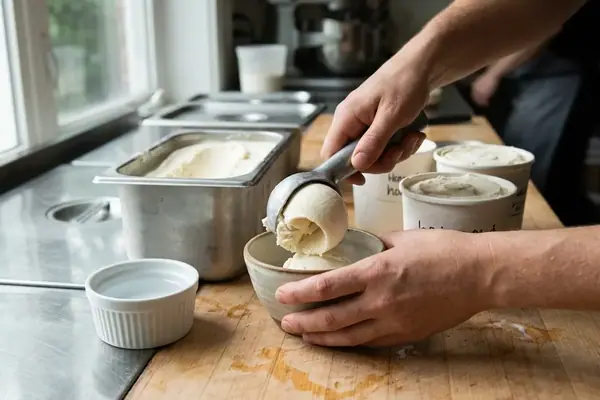
Field Note: Letting gelato soften on the counter for 5 to 10 minutes before serving restores the pliable, scoopable texture it was designed to have.
There is one unavoidable catch. These methods target ordinary home freezers and benchtop churners. A kitchen without a churn at all will struggle to avoid iciness regardless of which style is chosen.
Best Flavours for Each Style
When deciding what to make, ask yourself if the ingredient rewards clarity or comfort. Clarity-driven flavours belong in gelato. Comfort and mix-in flavours belong in ice cream.
The Gelato Shortlist
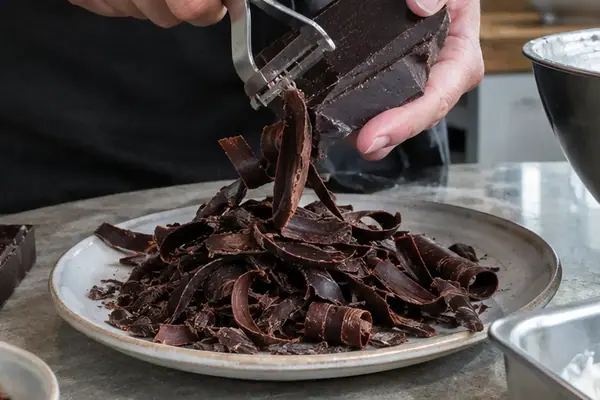
Choose gelato for pistachio, hazelnut, almond, lemon, espresso, dark chocolate, fig, honey, and ricotta. These flavours thrive when the dairy steps back. They evoke Italian café references and the vibrant produce found in Melbourne markets.
The Ice Cream Shortlist
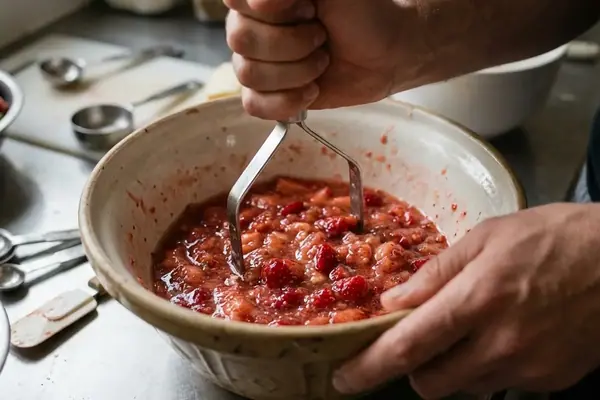
Choose ice cream for vanilla bean, caramel, malt, custard, chocolate fudge, berries and cream, roasted banana, and ripple-style desserts. The plush, aerated nature of ice cream supports heavy ripples and chunks beautifully.
Common Mistakes That Ruin Both
Many cooks abandon a recipe, blaming the category, when a simple process error is the actual culprit. Under-chilling the base and storing the final product in deep containers top the list of routine failures.
I learned this the hard way when a pistachio gelato made from a base churned while still lukewarm froze grainy and was wrongly judged a failed recipe, when the real fault was skipping the overnight chill. A warm base entering the churn is the most common cause of iciness.
During practice, we found that cold mutes sweetness and flavour noticeably. Taste before churning—season the base a touch bolder than seems right at room temperature.
Important: Store your freshly churned dessert in a shallow container no deeper than about 5 cm. Press a layer of parchment or plastic wrap directly against the surface so it freezes fast and stays smooth.
Final Recommendation
Reliability and scoopability point first-timers toward ice cream. It offers richness, easy scooping straight from the drawer, and longer freezer storage without degrading. It is the pragmatic choice for a busy household.
Bottom Line: Make ice cream for your first project to guarantee a plush, forgiving texture. Switch to gelato when intense nut, coffee, chocolate, or citrus flavours are your primary goal, provided you are willing to manage the serving temperature.
Both styles have a rightful place in a Mediterranean-inspired kitchen. Master the overnight chill, respect your freezer's temperature, and let the ingredients dictate the technique.