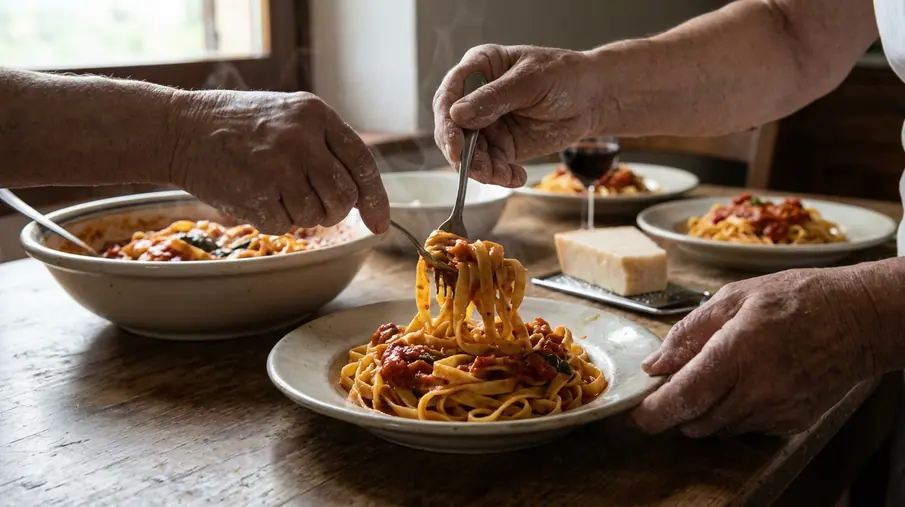
Start with the pasta table: shapes, sauces, and memory
Welcome to the kitchen. If you have ever stood in the grocery aisle overwhelmed by the sheer geometry of dried pasta, you are in the right place. The aim here is simple: choose the right pasta shapes, cook sauces that actually cling to them, and assemble classic Italian-style pasta dishes at home.
I approach this not as a restaurant chef trying to impress with tweezers, but through the lens of the Gourmet Worrier archive. Our focus is rooted in Italian, Sicilian, Mediterranean, and Maltese family cooking. It is about the meals that gather people around a table on a Tuesday night or a slow Sunday afternoon.
Along the way, we will rely on a few core recipes that have stood the test of time in my own home. You will see the elegant simplicity of Marcella Hazan's tomato sauce. We will look at hearty Conchiglioni al forno, sturdy rigatoni paired with spinach balls and courgette sauce, and the vibrant freshness of basil pesto. There is also walnut pesto with orecchiette, and finally, the deeply comforting Maltese Froġa tal-għaġin.
Choose the right pasta shape before choosing the sauce
Shape is the first decision you must make because the surface and cavity dictate what sauce will successfully cling to the pasta. Ridges, hollows, curls, and shells all serve distinct culinary purposes. A delicate strand of angel hair will drown under a heavy meat ragù, while a massive tube will leave a thin oil-based sauce pooling sadly at the bottom of your bowl.
Consider rigatoni. This is a sturdy, tube-shaped pasta perfectly suited to chunky or creamy sauces. The wide opening allows pieces of vegetable or meat to hide inside, while the exterior ridges grip thicker sauces tightly. On the other end of the spectrum, we have conchiglioni. These are large, shell-shaped pasta pieces that are practically designed by nature to be stuffed with rich fillings and baked al forno.
In a March 17, 2010 archive discussion on pasta shapes, Ms.Gourmet highlighted brands like De Cecco and Barilla as reliable reference points for understanding these traditional forms. Knowing your shapes is the best starting point for any dish.
Shape, sauce, and finish at a glance| Pasta shape | Best-matched sauce or use | Archive recipe / source |
|---|---|---|
| Rigatoni | Chunky or creamy vegetable sauces; stands up to spinach balls and courgette sauce | Adapted from Antonio Carluccio, Ms.Gourmet, 30 June 2010 |
| Conchiglioni | Stuffed with cheese and baked al forno | Ms.Gourmet, 25 March 2009 & 20 January 2010 |
| Spaghetti | Tossed gently with fresh basil pesto | Ms.Gourmet, 26 January 2009 |
Cook pasta for the sauce, not just for the packet
The instructions printed on the back of a pasta packet are merely a suggestion. True technique leans on tasting, because the thickness of the shape and the size of your pan will shift the final result. The essential texture you are looking for before mixing, baking, or finishing pasta in a sauce is al dente. It must retain a slight, firm bite in the center.
This becomes critical when heat is applied twice. Conchiglioni cooked to full al dente before baking can slump and turn soft in the oven; pulling them a stage firmer is the context-dependent fix, the same logic that protects timpana. If you boil pasta until it is completely soft before it even touches the oven, you will end up with a mushy casserole.
Community observation suggests that reserving pasta water is the single most skipped step in home kitchens. Do not make this mistake. Bring a large pot of water to a rolling boil. Salt it generously until it tastes like the summer sea. Stir the pasta early to prevent sticking. Finally, always reserve a small jug of that starchy, cloudy cooking water before draining.
Field Note: That cloudy pasta water is liquid gold. Splashing a little into your pan helps emulsify the fat and water in your sauce, creating a glossy coating that clings beautifully to every noodle.
Make a simple tomato sauce the Marcella Hazan way
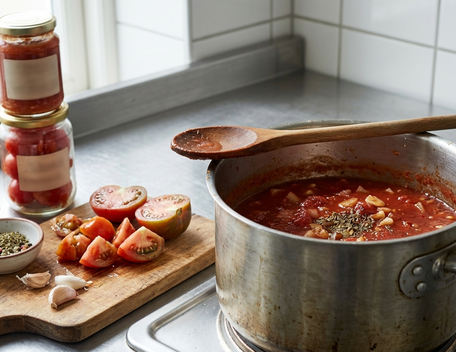
When we talk about tomato sauce, Marcella Hazan's version remains the benchmark for simplicity. Her approach exposes the quality of the ingredients rather than hiding them under mountains of dried herbs and refined sugar. This method is attributed to her classic book, Essentials of Classic Italian Cooking, and was celebrated in a March 1, 2010 Gourmet Worrier post.
The recipe requires only tomatoes, butter, and a single onion cut in half. While these published methods provide a proven foundation, variations in local ingredients mean you should always adjust seasoning to your own palate. If fresh tomatoes are out of season, passata is your best friend. Passata is an uncooked tomato purée that has been strained of seeds and skins. It provides a brilliantly smooth home-cooking shortcut.
For the best results, seek out San Marzano tomatoes, a specific variety noted in our archive material for their sweet flavor and low acidity. Simmer the sauce uncovered at a lazy bubble until the fat separates from the tomatoes.
Use pesto and walnut pesto when the sauce should stay fresh
Not all sauces belong on the stove. Pesto is a vibrant, raw sauce traditionally made with fresh basil, garlic, olive oil, pine nuts, and salt. Its origins trace back to Genoa, and it requires a gentle touch. Pesto must be treated with respect. It is blended and tossed with the hot pasta off the heat, rather than simmered hard in a pan.
A pesto simmered hard like a tomato sauce loses its fresh basil colour and turns dull and bitter — the failure is treating a blended cold sauce as a cooked one. The heat of the freshly boiled pasta is more than enough to warm the sauce and release the aromatic oils of the basil and garlic.
This gentle treatment applies to other nut-based sauces as well. In a January 26, 2009 archive recipe, Ms.Gourmet paired organic spaghetti with classic basil pesto. Later, a July 16, 2009 post showcased walnut pesto with orecchiette. Both recipes rely on Grana Padano for binding and need the same off-the-heat tossing method to preserve their delicate, nutty profiles.
Bake pasta al forno when the shape is built to hold filling
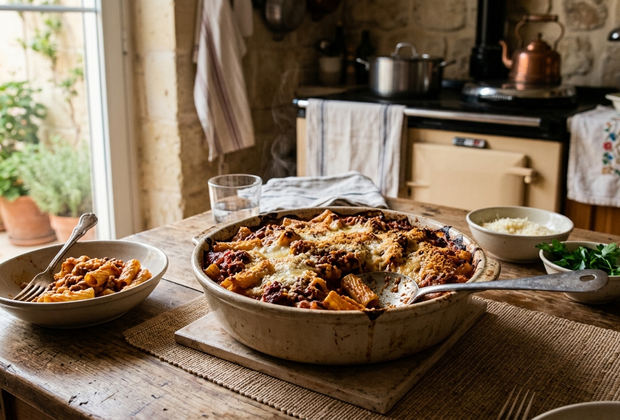
The Italian term al forno simply translates to oven-baked. Baking pasta transforms it, creating crispy, caramelized edges that contrast beautifully with a soft, bubbling interior. However, you cannot throw just any shape into a baking dish and expect greatness.
Conchiglioni al forno serves as our main example here. The large, shell-shaped conchiglioni hold filling and sauce in a way that smaller shapes or straight tubes simply cannot. They act as individual, edible bowls.
Drawing on archive facts from March 25, 2009, and January 20, 2010, a classic filling uses rich Grana Padano cheese. To lift the dish, a topping of garlic, dried chilli flakes, and olive oil mixed with breadcrumbs is scattered over the shells before baking. This chilli breadcrumb topping gives the soft baked pasta a necessary, aggressive crunch.
Balance rich pasta with vegetables, herbs, and spice
Pasta does not always need to be drowned in heavy meat ragù or pools of melted cheese to feel like a complete main course. Rigatoni with spinach balls and courgette sauce stands as a useful example of a fuller, vegetable-led main dish.
This specific pairing works because it matches a sturdy tube with a soft component. The spinach balls need a pasta shape strong enough not to collapse under their weight. The original recipe comes from Antonio Carluccio, the late chef and cookbook author. His book, Simple Cooking, was published in 2009 and acquired by the Gourmet Worrier kitchen around May 2010.
Ms.Gourmet adapted this recipe in a June 30, 2010 post. The courgette (the British and Australian term for zucchini) melts down into a beautiful, light sauce. A touch of nutmeg is kept in the spinach balls to add a warm, aromatic background note that bridges the gap between the green vegetables and the pasta.
Important: When making vegetable-led sauces, ensure you cook the vegetables down sufficiently. Courgettes hold a lot of water, and failing to cook that moisture out will result in a watery, diluted sauce at the bottom of your bowl.
Let Maltese pasta traditions sit beside the Italian classics
The Mediterranean table is vast, and our archive reflects that diversity. Froġa tal-għaġin, the traditional Maltese spaghetti omelette, sits proudly beside the Italian classics. It highlights the Maltese thread running through our kitchen, showing that a strict Italian-only frame ignores the beautiful cross-pollination of Mediterranean cooking.
Froġa tal-għaġin is not simply 'Italian frittata' — the Maltese name and family setting (leftover spaghetti, Grana Padano, a home kitchen) are the point, and flattening it into a generic egg dish misses why the recipe matters. It is a lesson in transforming yesterday's leftovers into today's comfort food.
This recipe was detailed in a July 2, 2009 post by Ms.Gourmet. It is steeped in family context, mentioning cousin Joanne and Hoover, adding lived experience to the instructions. The cultural value of this heritage recipe was later reinforced when the site Planning with Kids cited the post as a primary source for their own spaghetti omelette exploration.
Bottom Line: Cooking pasta at home is about understanding the relationship between shape, sauce, and technique. Whether you are tossing spaghetti with raw pesto, baking stuffed conchiglioni, or frying leftover noodles into a Maltese omelette, respect the ingredients and trust your palate.