Quick Nav
- Why Sicilian flavour makes sense on a weeknight
- Criteria for choosing these Sicilian weeknight flavours
- The Six Core Flavours
- Building a Weeknight Plate
Why Sicilian flavour makes sense on a weeknight
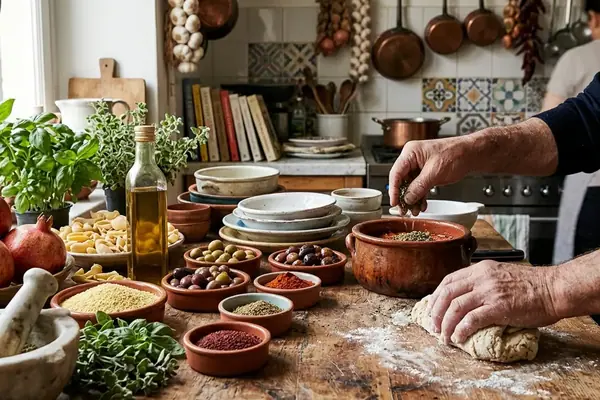
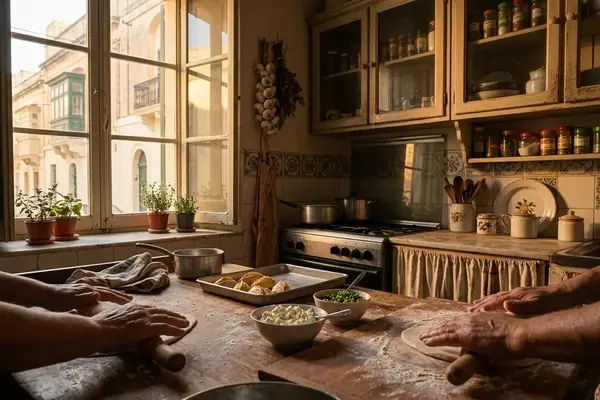
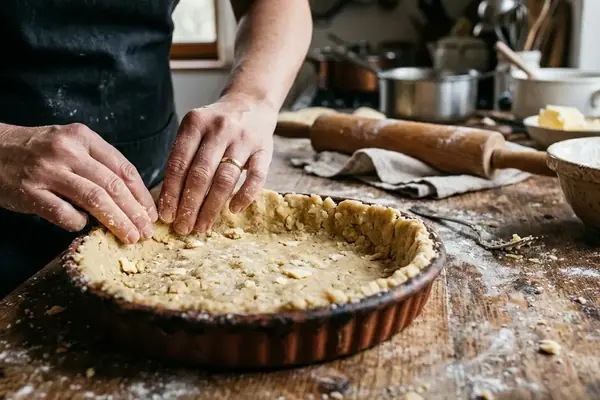
Cooking on a Tuesday night requires a different mindset than a Sunday afternoon. While you might blind bake a tart shell on the weekend, weeknights demand immediacy. Nanette always framed her kitchen wisdom as a flavour guide rather than a strict recipe archive. Because so many Sicilian habits overlap with the Maltese and Mediterranean pantry I already cook from, this approach feels like home.
We rely heavily on pantry staples, seafood, vegetables, citrus, and olive oil. The promise here is straightforward. You get strong flavour from a few ingredients, flexible swaps, and dishes that sit happily beside pasta, fish, chicken, eggs, beans, or bread—a reliable help on a busy evening. As a Ms.Gourmet cook, I value this adaptability above rigid authenticity.
Criteria for choosing these Sicilian weeknight flavours
Bottom Line: The four criteria were set before any flavour was chosen, so each entry had to clear the same bar.
First, ingredients must be available from ordinary supermarkets, delis, fishmongers, or Mediterranean grocers. You should not have to hunt down specialty imports. Second, each flavour idea is held to a workable-within-60-minutes ceiling from cold start to plate. You do not need restaurant equipment to make these work. Every Ms.Gourmet cook knows that practical constraints breed the best home cooking.
1. Lemon, capers and olive oil for instant brightness
This combination lifts fish, chicken, chickpeas, potatoes, or spaghetti instantly. Warm the oil and capers gently for roughly 2 to 3 minutes over low heat. You want to wait just until the capers sizzle and open. Pull the pan off the stove before adding the lemon zest. Warming citrus oil too long dulls the aromatic top notes that make this combination read as bright rather than just sour. Finish the pan with fresh parsley.
Important: When the dish already carries salty cheese, anchovy or olives, unrinsed brined capers push it over into harsh saltiness. Rinse them first in that case.
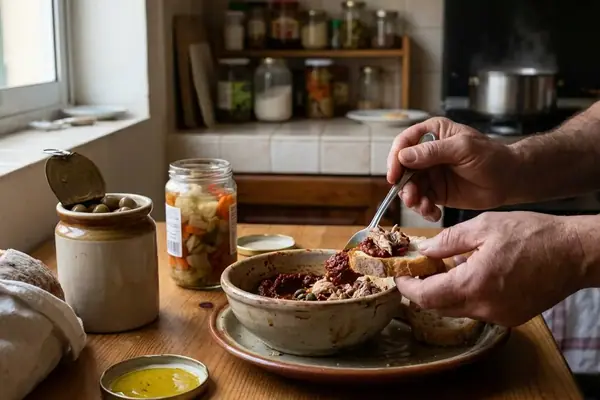
2. Tomato, olives and capers for a fast sauce
Southern Italian and Sicilian kitchens frequently lean on tomatoes, olives, and capers for bold savoury depth. Start your garlic in oil, then add crushed tomatoes. A glossy, spoonable consistency usually lands after 12 to 18 minutes of gentle simmering. You want the sauce to stay loose enough to coat pasta or pool around baked eggs without reducing to ketchup.
Field Note: Canned tomatoes can taste heavy or metallic in a light sauce, where cherry tomatoes give a fresher result instead.
3. Eggplant with agrodolce sweetness and tang
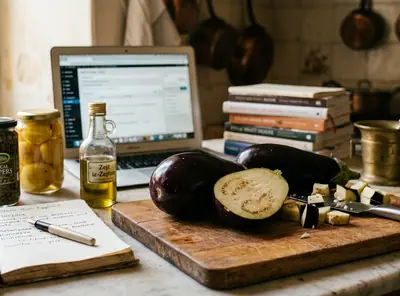
Agrodolce relies on a sweet-sour balance. I keep it deliberately light on sweetness so the vinegar leads and the eggplant stays savoury enough to sit beside fish or fold through pasta, rather than tipping into a dessert-adjacent glaze. Add the vinegar-and-sugar splash in the final 1 to 2 minutes so it reduces to a sticky coat without scorching.
Eggplant crowded in a small pan steams and turns spongy instead of silky, so the agrodolce coats a flabby vegetable rather than a caramelised one. Cook in batches if your pan is small.
4. Anchovy, garlic and chilli for savoury depth
Hesitant cooks often avoid anchovies. During practice, I find the trick is letting them melt away entirely. Two to three anchovy fillets dissolve into the oil over low heat in about 1 to 2 minutes before the garlic goes in. This turns them from overtly fishy to a savoury background seasoning. Toss this base with chilli flakes, pasta water, and parsley for a good weeknight dinner.
5. Almond, herb and breadcrumb crunch instead of cheese
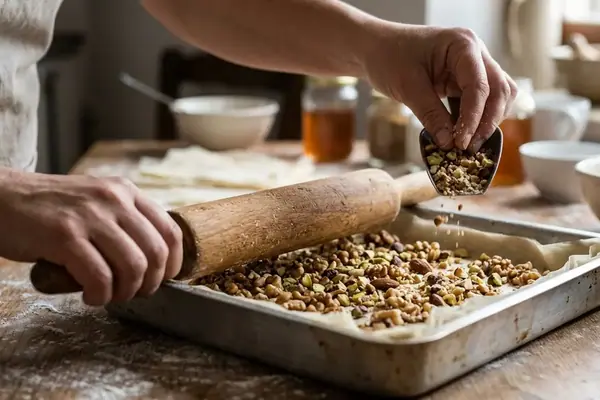
Toasted breadcrumbs, almonds, parsley, lemon zest, and olive oil provide a brilliant finishing texture. This crumb acts as a dairy-light stand-in for grated cheese. Almonds and lemon zest carry the savoury-bright role cheese usually plays over seafood pasta or roasted vegetables. Toast over medium heat for 4 to 6 minutes, stirring, until golden. Stored in an airtight container, it keeps its crunch for about 2 to 3 days before softening.
6. Fennel, orange and bitter greens for freshness
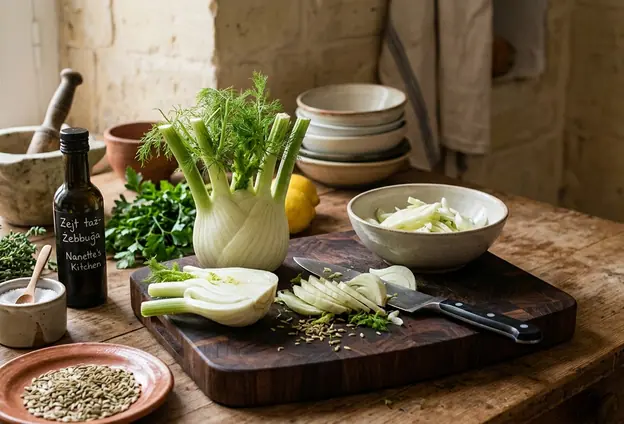
This entry serves specifically as the fresh, uncooked counterweight to richer cooked items. The formula leans on raw shaved fennel, orange segments, rocket or radicchio, olive oil, and black pepper. Soak thinly sliced fennel in cold water for 8 to 10 minutes to firm and curl it before draining and dressing. It balances oily fish, sausages, or baked ricotta.
Building a Weeknight Plate
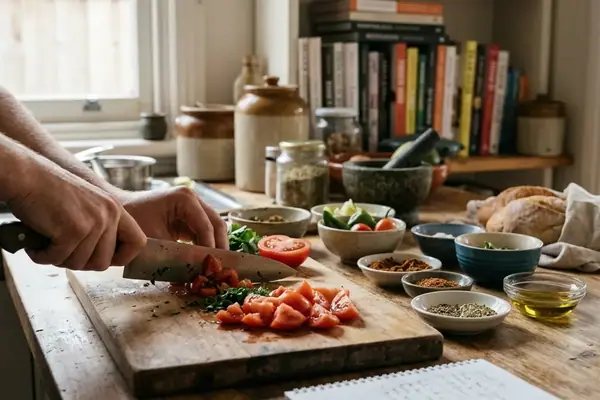
The mix-and-match formula was distilled to four slots: base, Sicilian accent, vegetable, and finishing texture. You can recombine the six entries without needing a new recipe each night. This approach has worked well in our kitchen notes, though individual stove temperatures vary, so watch the pan rather than the clock.
Swaps are practical home-cook adaptations rather than authentic substitutions. If you reach for tinned fish, you have not failed the dish. For fresh options, prawns and thin fish fillets cook through in roughly 2 to 4 minutes. Firmer steaks like swordfish-style fish need closer to 3 to 5 minutes per side.
Sicily's cooking is regional and layered. This list is a practical interpretation through a Maltese-rooted Mediterranean lens rather than a certified academic record. Start with a single pairing rather than a full menu. Nanette, a true Ms.Gourmet cook in her own right, always believed that mastering one simple technique builds more confidence than rushing through a complex feast.
More Topics
Our archives have more on Mediterranean pantry staples, quick seafood preparations, and vegetable-forward dinners.
Citations
- O'Connor, F. (Kitchen Notes & Recipe Testing Observations)
- Family Archives (Nanette's Mediterranean Flavour Guides)