Quick Nav
- Shop the Market Before You Lock the Recipe
- Build a Flexible List Around Dishes, Not Ingredients
- Choose Your Market, Timing and Route Before You Arrive
- Read the Produce Stall Like a Mediterranean Pantry
- Leave Deli, Seafood and Butcher Stops Until the End
- What This Market Method Can and Cannot Promise
- Unpack With Tomorrow’s Cooking Already in Mind
- The Melbourne Market Habit to Keep
Shop the Market Before You Lock the Recipe
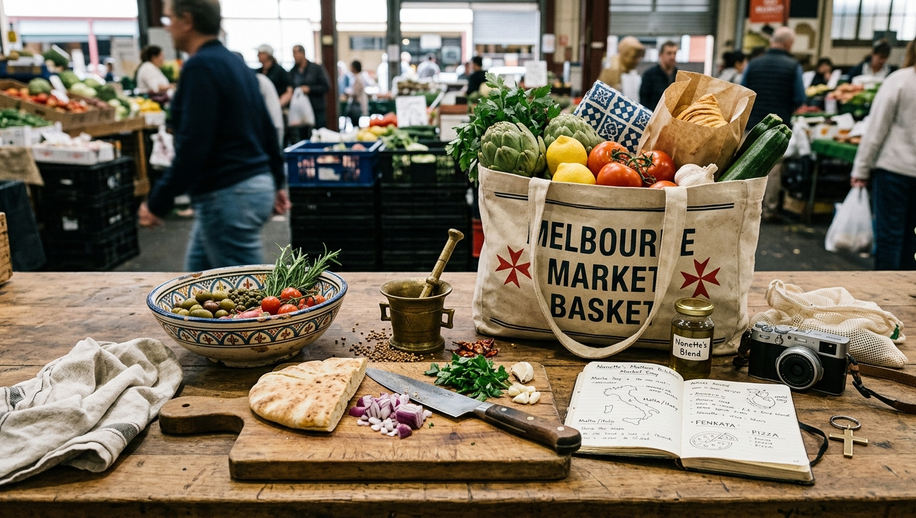
Nanette’s Melbourne market habit begins at the stall, not at the recipe card.
That sounds loose until a cook has stood in front of tomatoes that smell like late summer, then glanced at a list that insists on green beans. Mediterranean cooking has always made room for that moment. The meal shifts because the season has spoken first.
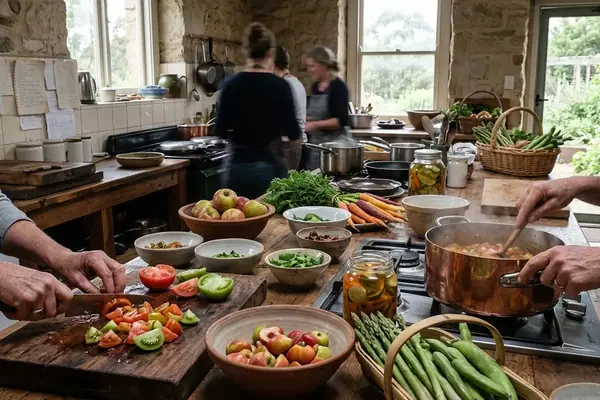
This is the method Nanette returns to when writing about Maltese, Italian and broader Mediterranean meals in Melbourne: decide the shape of dinner, then let the market fill in the detail. A sauce can begin with tomatoes or capsicum. A tray bake can lean on fennel, eggplant, zucchini or potatoes. A pie filling can take silverbeet if the spinach looks tired.
Field Note: This is a home-cooking and shopping rhythm piece. It is not a directory of every Melbourne market, and it is not a food-safety manual.
Build a Flexible List Around Dishes, Not Ingredients
A fixed ingredient list can collapse in the first five minutes.
A fixed ingredient list fails when the market has wilted celery but excellent fennel; the dish-led list survives, the vegetable-led one does not. So the more useful list says braise, pasta, tray bake, salad, dessert. It gives the cook permission to respond.
Write the meal shape first
- For a sauce: look for tomatoes or capsicum, depending on fragrance, price and ripeness.
- For grilling: choose eggplant or zucchini if they feel firm and heavy for their size.
- For pies and pasta fillings: use silverbeet or spinach, whichever looks fresher.
- For dressings and sweets: buy citrus with the dish in mind; oranges can replace lemons when the acidity and sweetness suit.
- For dessert: let stone fruit, citrus or berries decide whether the afternoon calls for a simple plate, a cake, or a tart shell ready for a blind bake.
Check the pantry before leaving
The smallest habit saves the most bother: look in the cupboard before the market bag comes out.
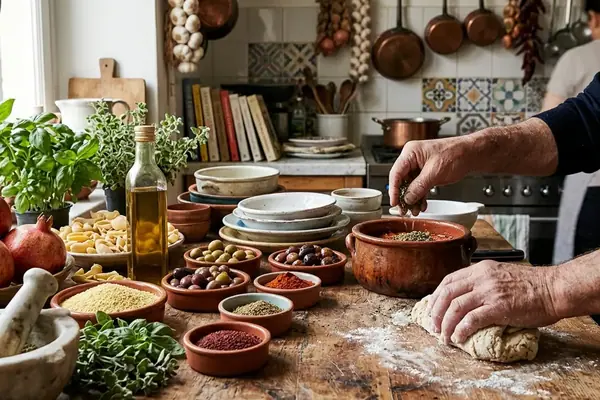
For Mediterranean cooking in a Melbourne kitchen, the core pantry check is plain and practical: olive oil, garlic, onions, anchovies, capers, dried oregano, pasta, rice, lentils, flour and sugar. If those are ready, the market can stay flexible without becoming vague.
Bottom Line: Plan the dish, not every vegetable. The list should guide the cook, not trap the cook.
Choose Your Market, Timing and Route Before You Arrive
Melbourne gives cooks several ways to shop well. A large destination market offers range and energy. A neighbourhood produce shop can be faster, kinder to the legs and better for a weeknight. A weekend farmers’ market may suit the cook who wants fewer stops and a stronger sense of season.
None is universally better.
The useful question is smaller: what does this household need today, and how is the cook getting home?
Timing depends on what you are buying
Seafood, soft herbs and popular bakery items pull Nanette toward an earlier start. Choice matters there. On a hot Melbourne afternoon, basil and mint bought first can flag before checkout, so soft herbs belong near the end of the visit even though they are not chilled.
Later shopping has its own place. If the plan is flexible and value matters more than choice, a later lap through the stalls can work beautifully. The cook must be more willing to change dinner.
Pack for the route home
A flat-bottomed basket keeps fruit from bruising. A trolley helps with tins, flour, potatoes and melons. Reusable produce bags stop greens from tangling with everything else. An insulated bag is not glamorous, but ricotta carried home by tram in summer behaves very differently from the same buy driven straight home.
Small containers for berries or pastries are a quiet luxury. They also prevent the sad squashing that turns a good market mood into a mutter.
Market Route and Timing at a Glance| Stop | Position in route | Best timing | Carry it in |
|---|---|---|---|
| Dry goods and pantry | First | Anytime | Basket or trolley |
| Hardy vegetables | Second | Mid-visit | Reusable produce bags |
| Soft herbs and greens | Mid-to-late visit | Earlier on hot days | Reusable produce bags |
| Cheese and deli | Later | After produce | Insulated bag |
| Seafood and meat | Last | Earlier when choice matters | Insulated bag |
Read the Produce Stall Like a Mediterranean Pantry
A Mediterranean cook does not need perfect-looking produce. She needs produce that suits the job.
Tomatoes and stone fruit should offer fragrance. Eggplant should feel firm and weighty, not hollow. Capsicum should have glossy skin. Herbs and greens should look awake, with perky leaves rather than limp stems hiding beneath a fresher top layer.
Use substitutions with intent
Substitution is not laziness. It is one of the oldest kitchen skills.
- Use zucchini instead of eggplant in fritters when eggplant looks soft or tired.
- Use fennel instead of celery in salads when the fennel is crisp and fragrant.
- Use silverbeet instead of spinach in pies when the leaves look sturdier.
- Use oranges instead of lemons where the dish can carry both acidity and sweetness.
Home cooks often gain confidence when they stop treating every recipe as a border fence. The dish still needs balance. It just does not need panic.
Buy herbs with a plan
Parsley is forgiving. Mint less so. Basil can sulk before the train has reached the next suburb. Oregano and dill also deserve a plan, especially in warm weather.
Before buying three bunches because they look romantic, ask where they will go. Parsley for a chopped salad. Mint for zucchini fritters or yoghurt. Basil for tomatoes. Dill for fish, eggs or greens. The plan can be simple, but it should exist.
Leave Deli, Seafood and Butcher Stops Until the End
The last stops matter because the trip home is part of the cooking.
Across Melbourne suburbs, a market run might end with a tram ride, a train platform, a walk to the car, or a slow crawl through traffic. Chilled and delicate foods feel that journey. Ricotta, fish and calamari do not improve while the cook browses tomatoes for another half hour.
What to buy late
- Ricotta for pastizzi-style fillings, pies or simple pasta.
- Olives for antipasto, lunch plates or marinating at home.
- Firm white fish for baking with citrus, herbs and olive oil.
- Calamari for quick cooking.
- Lamb for slow braises when the weekend has enough time in it.
Ask practical questions
Good questions are short. What needs cooking today? What will hold until tomorrow? Is this fish better grilled, fried or baked?
The answers help shape dinner without turning the stallholder into a recipe writer. They also prevent the common mistake of buying something lovely with no honest plan for the evening ahead.
Important: These are practical home-kitchen handling habits, not professional seafood, butchery or dairy accreditation. When in doubt, follow the vendor’s handling advice and keep chilled foods cold on the way home.
What This Market Method Can and Cannot Promise
This method makes shopping calmer. It does not make the market predictable.
Stall availability, price, opening hours and quality shift with season, weather, public holidays and individual vendors. A perfect fennel week can be followed by a fennel shrug. A favourite bakery item may sell out early. A fish that looked right last month may not be the right choice today.
There is also no guarantee of the cheapest shop, and no promise of the most authentic version of any Maltese, Italian or Mediterranean dish. Authenticity in a Melbourne home kitchen is often braided: family memory, local produce, transport, budget, appetite and time.
That is not a weakness. It is the condition of real cooking.
The advice here reflects the working pattern of a Melbourne home cook planning Mediterranean meals, not formal market operations data. Adapt the habit for suburb, transport access, household size and the amount of cooking energy available that week.
Unpack With Tomorrow’s Cooking Already in Mind
The market habit does not end at the front door. The first 20 minutes at home decide whether the basket becomes meals or fridge guilt.
Start with chilled items. Put away ricotta, fish, calamari, meat and anything delicate before dealing with potatoes or tins. Herbs should be rinsed only if they are being used soon; wet leaves stored without thought can fade quickly. Ripe fruit should sit away from delicate greens so one does not spoil the other’s afternoon.
Do one small prep job
Not five. One is enough.
- Wash sandy greens if they are destined for dinner.
- Roast capsicum while the oven is already on.
- Make a tomato base for pasta, rice or eggs.
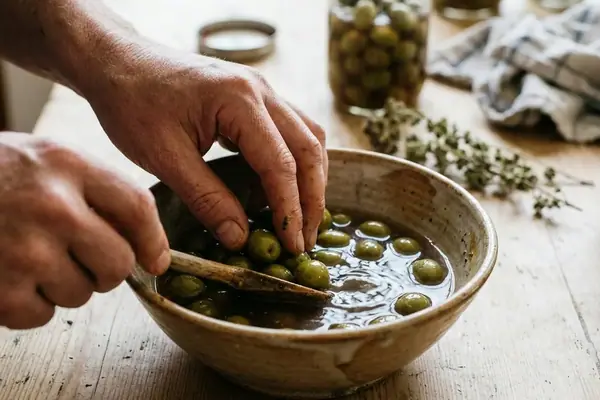
- Marinate olives with citrus peel, garlic or dried oregano.
- Portion fish or meat for the freezer if that suits the household’s week.
This is where Mediterranean efficiency shows itself. One tray of roasted vegetables can become pasta, salad, bruschetta topping or a side for grilled fish. The cook is not meal-prepping like a spreadsheet. She is leaving herself a kindness.
The Melbourne Market Habit to Keep
The routine is simple enough to remember on a sleepy Saturday.
- Plan by dish.
- Shop with flexibility.
- Move from hardy items to chilled items.
- Unpack with the next meal in mind.
That rhythm suits Maltese kitchens, Italian tables and many Mediterranean meals because it respects both appetite and season. It also suits Melbourne, where the cook may be carrying basil through heat, ricotta onto a tram, or a basket of vegetables up an apartment stairwell.
Mediterranean cooking in Melbourne becomes easier when the market feels like a conversation between season, pantry and family appetite. Not every week will be abundant. Not every shop will be graceful. Still, the habit holds.
Bottom Line: Repeat the market habit weekly or fortnightly, then adjust for weather, transport, household size and cooking energy. Dinner will begin to feel less like a hunt and more like a return.