Food Memory as a Map, Not a Souvenir
“I trust the dishes I can cook from memory more than the meals I only photographed on the trip.”
That is where Nanette’s argument begins: food memory is not a soft-focus souvenir. It is a working map. It tells a cook where she has come from, who fed her, what had to change, and what still matters once a family has crossed water.
The three points on that map are deliberate. Melbourne is the active kitchen. Malta is family gravity. Gozo is the slower texture that keeps interrupting the pace of the present. They are not stops on a tidy travel route. They behave more like emotional coordinates, each one pulling a dish in a different direction.
A recipe asks more of memory
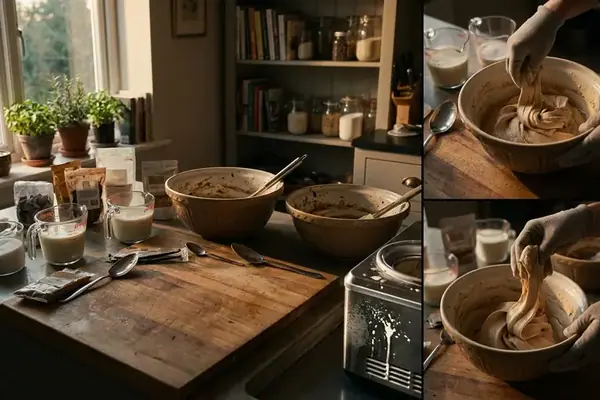
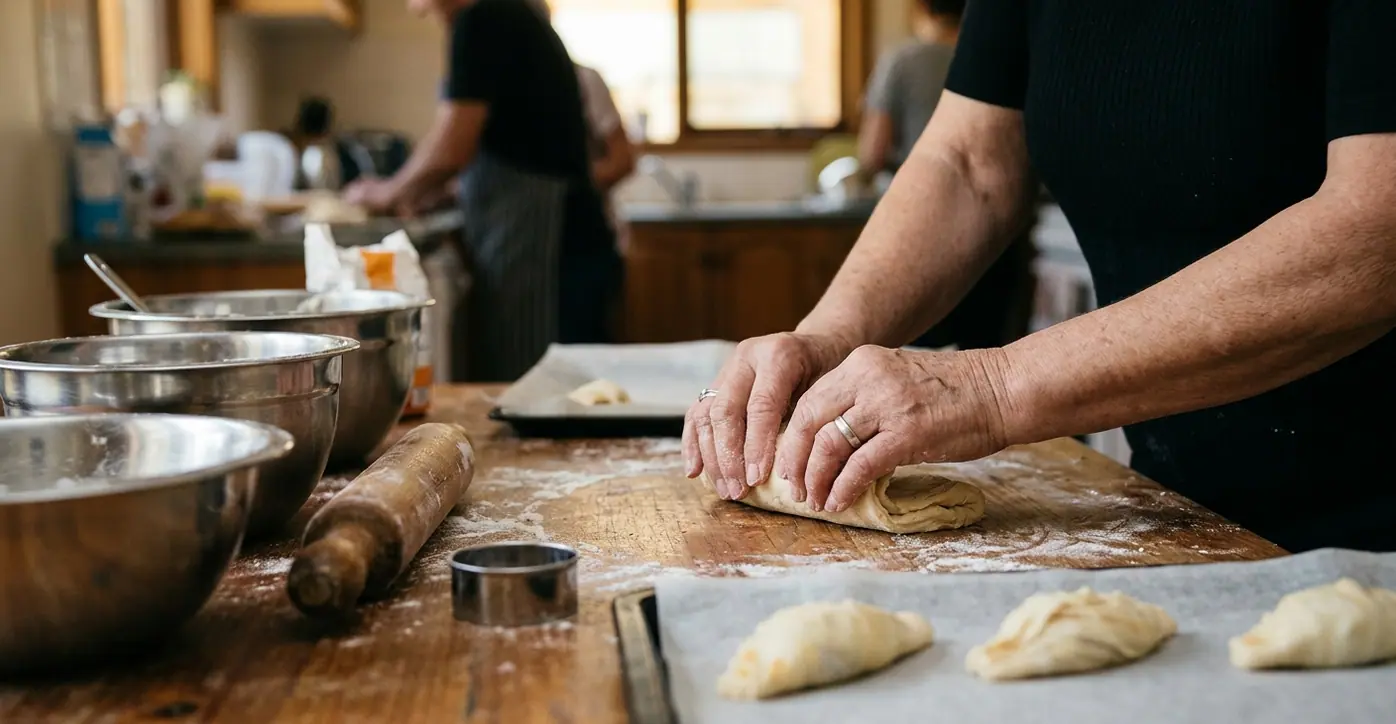
A postcard can be read once and put away. A recipe has to be repeated. It asks for hands in flour, a judgement about ricotta, a decision about whether the tomatoes are sweet enough, and a table where someone else will eat the result.
That is why a recipe can remember more honestly than a postcard. It does not preserve the past behind glass. It makes the cook repeat, adapt and feed others. The memory survives because it is used.
Nanette settled on this framing after noticing that the family dishes she cooked most often were the ones she could describe without a written recipe. The dishes she had only photographed while travelling felt vivid, but less available. They stayed in the album. The others came back on weeknights.
Bottom Line: Food memory matters most when it becomes practical. If it cannot enter the kitchen, it risks becoming decoration.
Melbourne Is the Third Island in This Story
Calling Melbourne the third island is not a joke about distance. It is a way of admitting that the city does not simply hold Maltese memory in storage. It changes it.
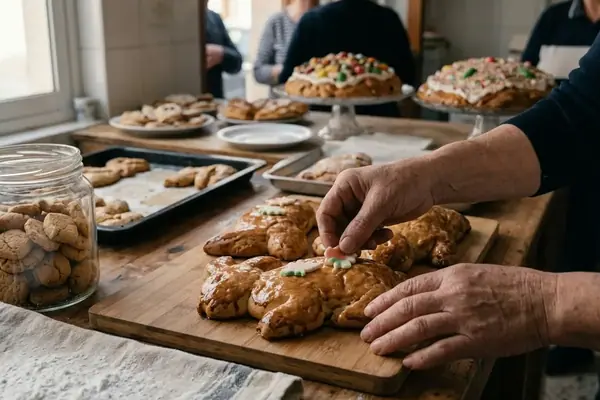
Community observation suggests this is where many heritage kitchens become interesting: not at the moment of perfect preservation, but at the moment of substitution. A tub of ricotta from a suburban deli. Lemons waiting on a kitchen bench. Coffee after a market visit. Pastries carried home in paper bags, warm enough to mark the hand but not so warm that anyone waits until dinner.
The market rewrites the dish
Melbourne’s seasons also interfere. Citrus and tomatoes arrive on a southern-hemisphere calendar, so a dish remembered as summery in Malta may land in a different month here. That shift sounds small until a cook is standing in front of tomatoes that do not taste the way memory insists they should.
This is where the work becomes authorship. Each time a Maltese dish is rebuilt from Melbourne ingredients, the cook is not merely compromising. She is deciding what the dish needs in order to stay legible.
On Gourmet Worrier, Nanette writes from that position: a Melbourne-based food blogger with Maltese roots and a home-cook’s archive of family-influenced Mediterranean recipes. Her authority is lived and contextual, not academic. That limitation is also the point. She knows the bench, the oven, the relatives, the substitutions, and the small domestic corrections that rarely appear in formal food histories.
Field Note: The third island is the place where memory becomes dinner. It has its own weather, shops, habits and appetite.
What Malta and Gozo Add That Memory Alone Cannot
Memory can flatten places when it loves them too much. It can make Malta and Gozo blur into one glowing island story, full of sea light and pastry crumbs. The cooking becomes sharper when they are allowed to remain related but distinct.
Malta: movement and layered appetite
Malta, in this reading, carries bustle. Family movement. Streets layered with errands, greetings, ovens, bakeries and the kind of food life that does not pause to explain itself. Pastizzi belong here as a lived reference, not as a slogan. So do rabbit, tomatoes, capers, olive oil, citrus, almonds, ice cream, and the everyday pull of bread.
Ftira deserves a careful sentence of its own. UNESCO’s listing of Maltese ftira recognises its sourdough-based culinary art and culture, tied to Maltese baking tradition. That recognition matters, but it does not turn one loaf into every family’s story.
Gozo: air, pace and rural texture
Gozo adds another register. Slowness. Sea air. Village pace. Rural textures that change the way a meal lands before the first bite is taken. Gbejniet, tomatoes, capers and oil may appear on both islands, yet the surrounding rhythm alters the memory.
The same ftira reads as urban bustle in Malta and slow village pace in Gozo. The surroundings change the memory more than the ingredients do.
This is why returning to a place can complicate memory rather than confirm it. The plate in front of the traveller may be excellent and still fail to match the remembered version. A family may have changed its habits. A bakery may have changed hands. The eater may have changed most of all.
That is not disappointment. It is evidence that food memory is alive enough to argue back.
The Problem with Chasing a Perfectly Authentic Plate
Some readers will want to object here, and fairly. Heritage food can feel fragile. When recipes travel across generations and countries, exact preservation may seem like the only respectful response.
Nanette takes that concern seriously. The trouble is that home kitchens rarely offer the conditions for exact preservation. Flour protein shifts. Ricotta moisture shifts. Tomato sweetness shifts. Ambient climate, oven calibration and family habit all get a vote. Even a Blind bake can behave differently in a hotter kitchen with different butter, a different tray and a cook who has inherited the method but not the old oven.
When the written method is not enough
A precisely followed recipe can still fail to taste right because local ricotta moisture and oven calibration override the written method. This is the sort of kitchen lesson that sounds obvious only after it has ruined a filling.
In Nanette’s case, the argument became practical around a ricotta filling eaten in Malta and then attempted in Melbourne. The written method could be honoured line by line, yet the texture still moved away from the remembered plate. The ricotta held more water. The oven browned too quickly. The filling needed a cook’s judgement, not stricter obedience.
So the question changed. Not, how can this be made perfectly authentic? Rather, what is the emotional and practical logic of the dish?
- If the dish is meant to be generous, does the Melbourne version still feel generous?
- If the filling should taste clean and milky, has the cook adjusted for the ricotta at hand?
- If the tomato sauce carries the rhythm of the original meal, does a sweeter or sharper local tomato still serve that rhythm?
- If the family habit was to feed whoever arrived, does the recipe still make room for company?
Important: Adaptation is not betrayal when the cook understands what the dish is trying to do.
This does not excuse carelessness. It asks for a more demanding kind of care: attention to texture, season, memory, family language and the appetite of the present table.
What This Perspective Can and Cannot Claim
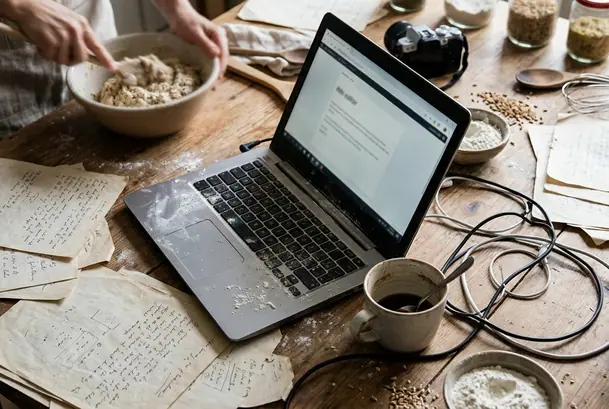
This essay needs a clear boundary. It relies on personal authority, heritage memory and food-blog observation rather than formal research. Its value is interpretive and practical, not statistical.
The scope is one table, not every table
Nanette is not speaking for every Maltese family, every Gozitan kitchen or every Melbourne-Maltese experience. One catch: this perspective speaks from one Melbourne-Maltese cook’s table, with all the tenderness and distortion that such a position carries.
That qualifier matters because food heritage can become loud very quickly. People know what their grandmother did. They know what their aunt insists on. They know which bakery mattered, which village had the better version, which cousin changed the recipe and should not have.
Those disagreements are not interruptions to the story. They are part of the story.
The practical use of this perspective is not to settle authenticity arguments for everyone else. It is to help readers examine their own food memories with more honesty. What do they repeat? What do they refuse to change? What have they already changed without admitting it?
- Name the place that currently shapes the dish, not only the place it came from.
- Write down the ingredient that never tastes quite the same.
- Ask which family habit matters more than the measurement.
- Notice whether the remembered flavour belongs to the food, the room, or the person who served it.
That last question can be uncomfortable. It can also be useful. Sometimes the flavour people chase is not almond, citrus, oil or pastry. It is the feeling of being expected at the table.
Cooking as the Most Honest Form of Return
The strongest food memories are not frozen in the past. They stay alive because someone keeps cooking them, sharing them and revising them.
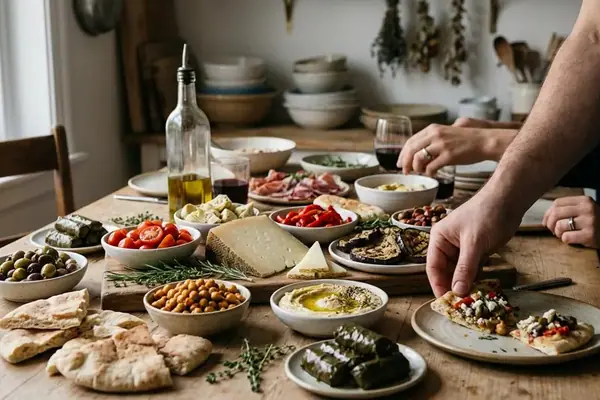
Melbourne supplies the current kitchen: the deli ricotta, the lemons, the market coffee, the tomatoes that ripen at the wrong time for a northern-hemisphere memory. Malta supplies family gravity, the sense that a dish is attached to movement, obligation, humour and return. Gozo supplies a slower emotional texture, the reminder that pace can season food as surely as salt.
How to keep the map usable
The most practical work is also the most tender. Record what changed, what stayed the same, and who was at the table each time a heritage dish is recreated. Do not only write down the formal recipe. Write the margin notes.
- Which ricotta needed draining?
- Which oven shelf browned the pastry too fast?
- Who said the filling tasted close?
- Which substitution made the dish feel more like home, not less?
- What did the cook stop measuring after enough practice?
A dish becomes your own only after enough repeated cooking that the recipe no longer has to be read line by line. That is not a loss of heritage. It is one of the ways heritage moves from performance into habit.
Food memory, then, is not a return ticket. It is a set of directions that keeps being revised. Ask relatives for methods. Notice substitutions without shame. Write the changes down. Cook the dish often enough that it can stop being an exhibit and start becoming dinner.
That is the honest form of return: not going back unchanged, but carrying the place forward with clean hands, a marked-up recipe and room at the table.