Quick Nav
- A review of restaurants as home-cooking teachers
- What makes a restaurant meal worth cooking from later?
- Maha: the strongest bridge between Maltese memory and Melbourne dining
- Casual meals that teach flavour without ceremony
- Family dining: what fussy eaters can teach the cook
- Techniques to take home: mussels, pastry, stew, and pizza
- When the best restaurant lesson happens outside a restaurant
- A home-cook action plan for the next meal out
- Scope and limitations of this review
- Final verdict
A review of restaurants as home-cooking teachers
The Melbourne restaurants that best inspire home cooking are not simply the ones that feed a diner well. They are the places that send the cook home with something portable: a technique, an ingredient, a story, or a craving stubborn enough to follow her back to the stove.
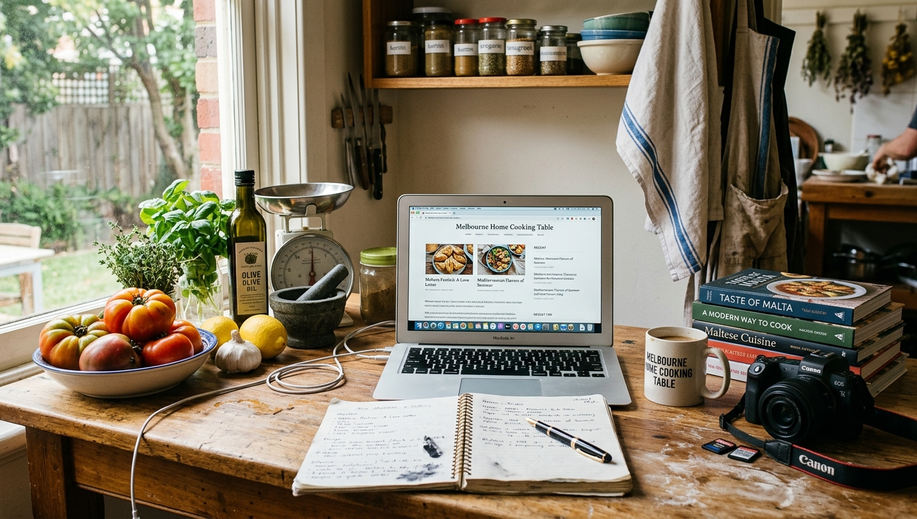
That is the test used here. It suits the Gourmet Worrier lens because Nanette’s food notes rarely separate eating out from eating in. A restaurant meal sits beside Maltese expatriate memory, Mediterranean habits, children at the table, market finds, and the practical question that arrives the next morning: can some part of this be cooked at home?
The review draws from Melbourne food writing mainly dated 2008 through 2010. The anchor venues are Maha, Hellenic Republic, Mr. Wolf, Vegie Bar, Pizza Meine Liebe, The Cooks Larder, and Little Swallow Café. Around them sit related learning experiences, from mussel pots to kitchen gardens, because home cooks do not learn in neat categories.
Bottom Line: The most useful restaurant meal is the one that changes the next grocery list.
What makes a restaurant meal worth cooking from later?
A star rating would miss the point. This is a home-cook review, not a ranking of dining rooms.

The five working tests
- Repeatable technique: a method the cook can practise without restaurant equipment.
- Memorable seasoning: a spice, herb, acid, or fat that lingers clearly enough to guide a later attempt.
- Visible produce choice: ingredients that can be named, shopped for, or substituted thoughtfully.
- Generous hospitality: a way of feeding people that can move from restaurant table to family table.
- Domestic translatability: the dish can become dinner, even if the home version looks plainer.
The distinction matters. A diner can admire a chef’s performance and learn nothing useful from it. A dish earns its place here when it offers a cue: a better tomato, a pastry idea, a stew spice combination, a way to feed children without turning dinner into a negotiation.
These criteria favour dishes built from identifiable parts. A meal whose appeal rests entirely on plating, timing, or service theatre may still be excellent dining, but it will not teach much to a tired cook holding a tea towel at 6.30 pm.
Maha: the strongest bridge between Maltese memory and Melbourne dining
Maha sits first because it does double work. It belongs to Melbourne restaurant life, yet it speaks directly to Maltese-Australian memory and the wider Levantine table.
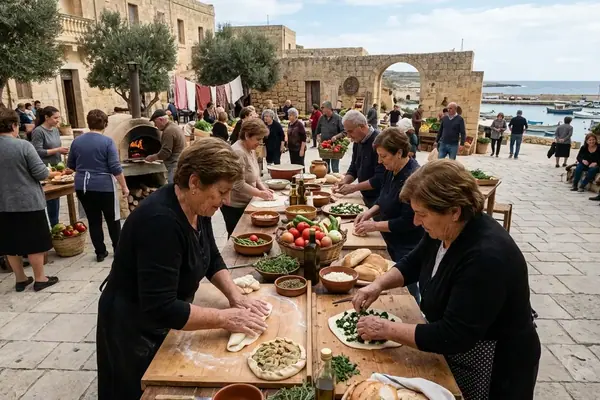
In the source period, Shane Delia is named as the Maltese-Australian chef and owner of Maha. The restaurant’s Familija Tieghi shared-table tradition ran on the last Sunday of each month during that period, which matters because the format itself teaches: food arrives as a family conversation, not as a private performance.
Why Maha travels home
For Nanette’s archive, Maha is not only a night out. It becomes a way to think about fenkata, zalza tal-fenek, lampuki, alijotta, bigilla, stuffat tal-qarnit, and qassatat without treating Maltese food as fixed in amber. The pull is emotional, but the lessons are practical.
Bigilla, for instance, is not merely a dip. It reminds the home cook that beans can carry garlic, herbs, oil, and heat with real authority. Qassatat point towards pastry as a carrier of comfort. Rabbit stew becomes less a museum dish than a meal that can absorb migration, memory, and the contents of a Melbourne pantry.
That is the useful bridge. Maha does not ask a Maltese home cook to abandon the old table. It gives permission to widen it.
Field Note: The old Ms.Gourmet notes are most alive when a restaurant dish rubs against a family memory and neither one wins outright.
Casual meals that teach flavour without ceremony
Some of the best lessons come wrapped in pizza paper, tucked into a café lunch, or passed around a taverna table. Ceremony can be lovely. It is not required.
Pizza as an ingredient lesson
Mr. Wolf in St Kilda teaches through named ingredients: fior di latte and grana padano. That is already more useful than a vague instruction to make better pizza. A home cook can go looking for milkiness, salt, melt, and sharpness.
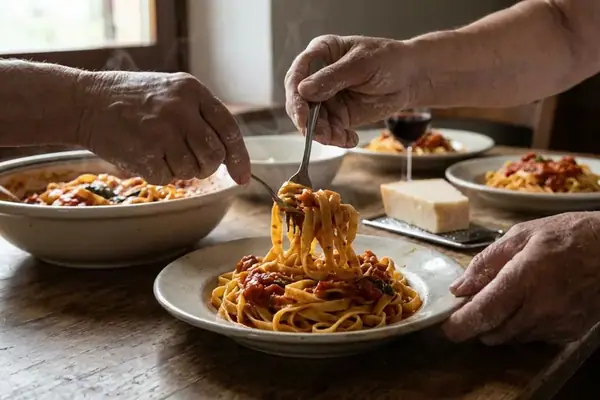
Pizza Meine Liebe offers another cue through calzone built on sugo and taleggio. The lesson is structure as much as flavour. Sauce needs containment. Cheese needs enough character to survive the fold. The home version may be less polished, but the idea travels well.
A taverna table thinks differently
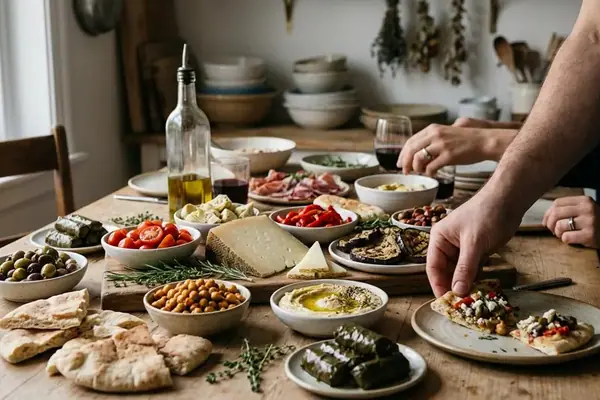
Hellenic Republic expands the frame. Dishes such as Imam Baldi, kefalograviera saganaki with peppered figs, and loukoumades encourage a cook to think in shared plates rather than single plated meals. That shift changes the whole domestic plan. Make one baked vegetable dish, one salty cheese dish, something sweet, and let people reach.
Little Swallow Café in Kyneton works more quietly. Sourdough, wilted spinach, mushrooms, dry vermouth, and Meredith Dairy goat cheese suggest a lunch that can be rebuilt at home without pretending to be restaurant food. The dry vermouth is the small hinge. It lifts mushrooms without shouting.
The Cooks Larder, named in a January 2009 note with Samantha and Dugal Mackie as co-owners, adds another kind of lesson. There, the retail pantry becomes part of the meal. The cook eats, shops, and imagines dinner in one motion.
Family dining: what fussy eaters can teach the cook
Children at the table are often treated as the problem. In these notes, they behave more like research assistants with blunt manners.
A child rejecting pesto at the table is useful data rather than a failure. It tells the cook which dishes to adapt instead of force, the opposite of a generic claim that kids love this or that. Mr Fussy’s response matters because it brings dinner back to evidence: what was too green, too sharp, too unfamiliar, or simply offered on the wrong day?
Little Miss Hoover belongs in the same family dining stories because children change the review criteria. A meal that comforts them, surprises them, or gets refused teaches a cook something about texture, naming, repetition, and patience.
Gateway foods deserve respect
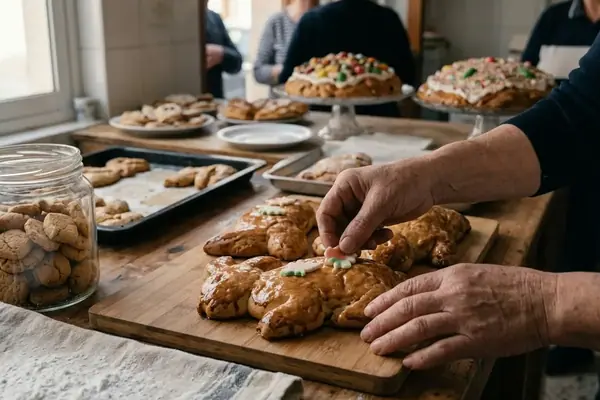
Parma, sausage rolls called roll hoppers, vanilla slice or snot block, bomboloni, brioche, Linzer torte, and mille foglie may look like side notes beside restaurant meals. They are not. They are gateways into batter, crumb, custard, jam, lamination, and the social power of a sweet thing carried home in a paper bag.
This is where Nanette’s habit feels practical: notice what people actually eat, then cook from there. Not every refusal needs correction. Some only need translation.
Techniques to take home: mussels, pastry, stew, and pizza
The most valuable restaurant memory often becomes a small action. Pull the beards from mussels before moules à la Marinière. Heat the covered pot properly. Do not crowd the idea with flourishes.
The same mussel pot logic does not scale evenly: moules à la Marinière rewards a tightly covered Staub-style vessel for fast steam, while a wide uncovered pan loses the liquor and changes the dish entirely. Moules frites looks casual, but it asks for precision.
Pizza, pastry, stew
For pizza, the lesson stays concrete: sugo, taleggio, fior di latte, and calzone structure. Glamour is not the ingredient. The cook needs sauce with body, cheese with purpose, dough that seals, and enough restraint not to overfill the parcel.
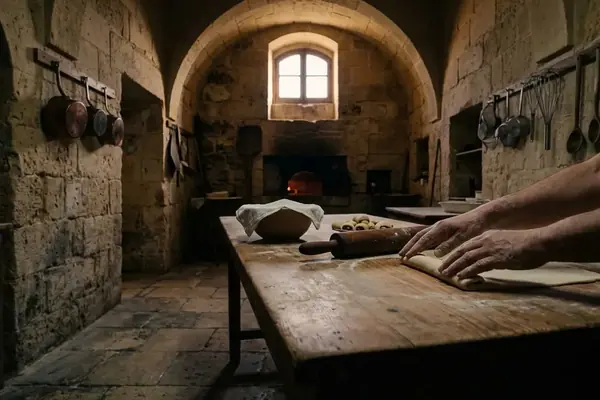
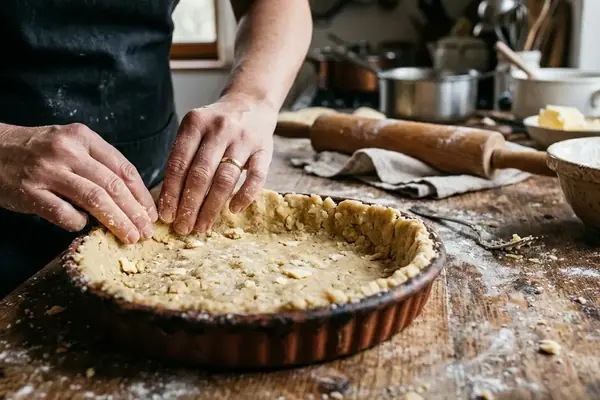
Pastry carries a warning. Vanilla slice and pithivier ambitions are worth keeping, but lamination and chilling discipline make them weekend projects. A Blind bake for a tart shell is manageable on a calmer day; layered pastry before school pickup is a trap.
Maltese rabbit stew offers the deeper lesson. The source material notes allspice and curry powder, pommes noisettes, and a baking time of 2.5 to 3 hours. That long oven time is not decorative. It gives the dish its patience, and patience is part of the flavour.
Important: Do not translate every restaurant idea into a weeknight recipe. Some dishes teach better when they remain a Saturday project.
When the best restaurant lesson happens outside a restaurant
At this point the review needs to leave the dining room, because some restaurant-minded lessons happen in gardens, masterclasses, and long outdoor meals.
The Agrarian Kitchen opened in 2008, with Rodney Dunn named as co-founder, lead instructor, and former Gourmet Traveller food editor, and Séverine Demanet as co-founder. In the masterclass context, Lee Christmas appears as a butcher and Wessex Saddleback pig breeder. Those details matter only because they connect food to material choices: breed, soil, heat, vessel, and waste.
A wood-fired oven teaches heat differently from a domestic fan-forced oven. Green Zebra tomatoes teach variety before recipe. Wessex Saddleback pork teaches that breed changes fat, flavour, and cooking decisions. Sugar-cane fibre soup bowls show that even the serving material can shape how a cook thinks about hospitality.
Kitchen garden education belongs beside this conversation, and the Stephanie Alexander Kitchen Garden Foundation remains a useful public reference point for readers thinking about food learning beyond the restaurant table.
A home-cook action plan for the next meal out
The simplest method uses four columns. Write them before the memory fades.
- Ingredient: name one thing worth buying later, such as a Green Zebra tomato or Meredith Dairy goat cheese.
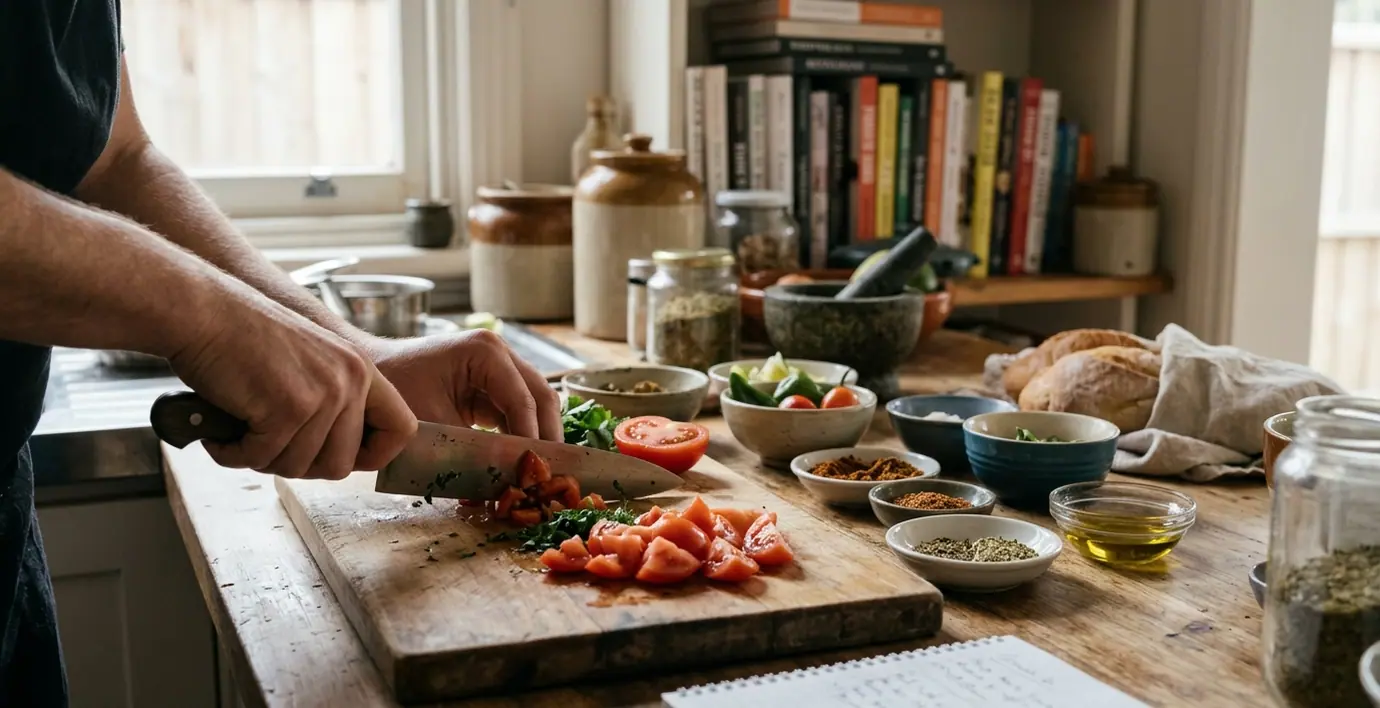
- Technique: capture one action, such as debearding mussels or folding a calzone without overfilling it.
- Hospitality cue: notice how the table worked, perhaps shared dips, pastry, seafood, and salad rather than individual plates.
- Memory: record the association, such as orange blossom water in dessert or rabbit stew linked to a family story.
This keeps the cook from copying the whole meal. It also protects the useful fragment, which is usually enough.
Scope and limitations of this review
This is a reflective review of Gourmet Worrier-era Melbourne food notes, mainly from 2008 to 2010. It is not a current restaurant guide, and it makes no claim about today’s menus, ownership, prices, or opening hours. Any of those may have changed since the source period.
Named chefs, venues, and projects appear only in the scope in which they sit in the notes: Shane Delia at Maha; George Calombaris in relation to Hellenic Republic and The Press Club references; Rodney Dunn and Séverine Demanet at The Agrarian Kitchen; Karen Martini associated with Mr. Wolf.
Because these notes come from period writing rather than a fresh survey of dining rooms, the conclusion should be read as a home-cooking interpretation, not as a definitive map of Melbourne restaurant history.
Final verdict
Maha remains the anchor because it joins Melbourne dining to Maltese memory with unusual force. Hellenic Republic teaches the shared table. Mr. Wolf and Pizza Meine Liebe teach pizza through ingredients and form. Vegie Bar and the bakery notes keep the family table honest. Little Swallow Café and The Cooks Larder remind the cook that lunch and shopping can be part of the same education.
The best restaurant inspiration is not reproduction. It is adaptation.
A dish has done its work when it sends the cook back to her own kitchen with a clearer hand: more confident with mussels, less timid with pastry, more curious about tomatoes, kinder about children’s refusals, and more willing to let Maltese memory sit comfortably beside Melbourne appetite.
Citations
- Gourmet Worrier period food notes, mainly 2008 to 2010, covering Maha, Hellenic Republic, Mr. Wolf, Vegie Bar, Pizza Meine Liebe, The Cooks Larder, Little Swallow Café, and related food-learning experiences.
- Stephanie Alexander Kitchen Garden Foundation, referenced for kitchen garden education context.