A Gelato Shortlist from Nanette’s Italian and Mediterranean Kitchen
The shortlist was assembled by reading back through the blog's frozen-dessert posts and keeping only those that taught a distinct technique rather than repeating a base. What emerged is a list of classic Italian gelato, custard ice cream, honeycomb ice cream, and fruit sorbet ideas drawn directly from the Gourmet Worrier archive.
This is practical kitchen work—not an encyclopedic survey. These are recipes worth making at home because they show distinct techniques, flavors, and heritage influences. Nanette, known to many as Ms. Gourmet, is the authorial voice behind these original posts. Her archive context spanning November 2009 to December 2010 captures a specific era of home cooking where technique mattered more than shortcuts.
How These Gelato and Sorbet Recipes Were Chosen
Each candidate had to clear three of the four criteria to make the cut. First, a clear Italian or Mediterranean connection was required, bringing forward classics like Gelato di Panna, Zabaglione, Sorbetto di Melagrana, and Sorbetto di Lamponi. Second, the recipe needed a memorable home-kitchen technique. This meant relying on a double boiler for custard or chocolate, churning in an ice cream maker, or using bicarbonate of soda aeration for honeycomb.
Third, we looked for a named recipe lineage or archive note. The named lineages span six sources: Marcella Hazan, Tessa Kiros, Grandma Jean, Rena’s raspberries, Jessica of La ciliegina sulla torta, and Cipriani. In community practice, knowing exactly where a recipe comes from gives a home cook the confidence to trust the process, provided the source aligns with traditional Mediterranean methods.
7 Classic Italian and Mediterranean Gelato Recipes to Know
The seven were sequenced to move from richest to brightest. We start with a chocolate anchor, move to pure cream, egg custard, the relaxed condensed-milk style, honeycomb crunch, and finally two sorbets.
1. Gelato di Cioccolato del Cipriani
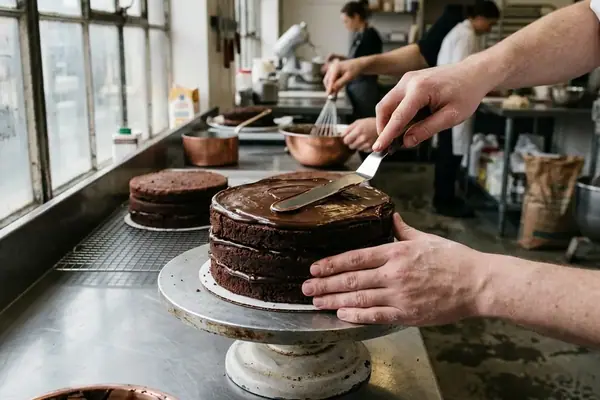
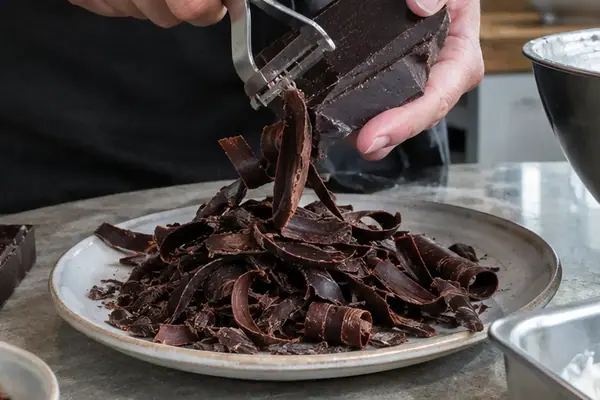
Present this as the dark chocolate anchor of the list, tied to Marcella Hazan and Cipriani. Posted on August 29, 2010, this recipe demands Lindt Dessert 70% and Dutch cocoa powder for depth. You will need a double boiler for melting the chocolate safely. The gentle heat protects the cocoa solids from seizing, ensuring a smooth base before it ever reaches the ice cream machine.
2. Gelato di Panna
This is the minimalist cream-based ice cream with no competing flavorings. Tracing back to Marcella Hazan and her 1986 publication Marcella’s Italian Kitchen, this recipe proves why simplicity makes technique matter. Gelato di Panna offers nowhere to hide a scorched cream base, so its minimalism makes it harder, not easier, than the chocolate version.
3. Zabaglione Ice Cream
Zabaglione is an Italian custard-based dessert translated into frozen form. The archive date of March 15, 2010, marks this as an early favorite. It highlights the double boiler method for whisking egg yolks and sugar until thick and pale. An ice cream maker is needed for the final processing to achieve the desired overrun.
Rounding out the collection are the honeycomb ice cream from January 25, 2010, and the fruit-forward finishes: Sorbetto di Lamponi from November 25, 2009, and Sorbetto di Melagrana from December 19, 2010. The pomegranate sorbet depends heavily on imported POM juice or cold-stored fruit, so out-of-season fruit quality will shift the result.
The Methods That Separate Gelato, Ice Cream, and Sorbet at Home
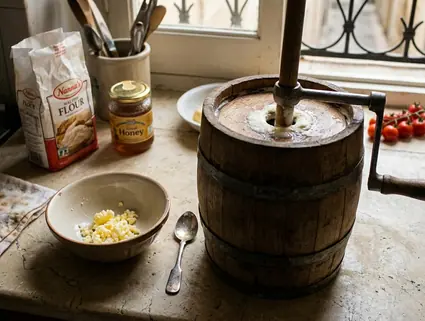
The method notes were grouped by what physically changes the texture rather than by recipe, so a cook can decide which single piece of gear unlocks the most of the list. Practical equipment is non-negotiable here. An ice cream maker or ice cream machine is required for the final freezing and churning in several recipes. Sorbets rely entirely on churning rather than dairy fat for their structure.
Field Note: Chill bases thoroughly before churning, ideally held cold overnight so they pour at refrigerator temperature.
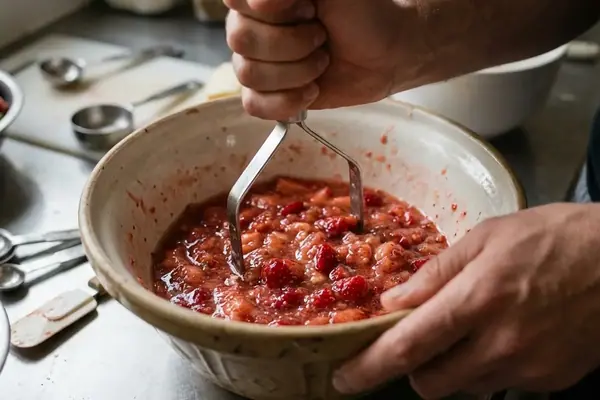
Explain double boiler use in context. Gentle heat protects chocolate and helps manage egg yolks and sugar in custard-style preparations. When we compare the bases qualitatively, the differences are stark. Gelato di Panna is cream-led. Zabaglione is egg-custard-led. Condensed milk ice cream is simpler and sweeter. Sorbet relies on fruit and churning rather than dairy.
Honeycomb ice cream presents a unique challenge. It can collapse if the bicarbonate is stirred too long after it foams, deflating the aeration before it sets.
What This Collection Does and Does Not Claim
Boundaries were set early to keep the piece honest. This is a Gourmet Worrier archive-led selection across the 2009 to 2010 posts only, not a complete history of Italian gelato. Named sources are used for recipe lineage and cooking context, not as scientific testing claims.
Important: We avoid nutritional, statistical, or comparative performance claims because no named testing source is provided. Furthermore, the 2011 A Mediterranean Feast tour dates are treated as historical archive context, not current events.
The Best Starting Point for a Home Gelato Repertoire
The starting trio was chosen to teach three different skills at once: cream-base discipline, chocolate intensity, and a no-dairy fruit churn. A beginner who makes those three will have touched most of the core techniques.
Bottom Line: We recommend starting with Gelato di Panna for technique, Gelato di Cioccolato del Cipriani for intensity, and one fruit sorbet for contrast.
This approach builds a useful foundation. Recipes and stories should feel like a conversation in the kitchen—rooted in memory, shaped by practice, and open to the wider Mediterranean table.